
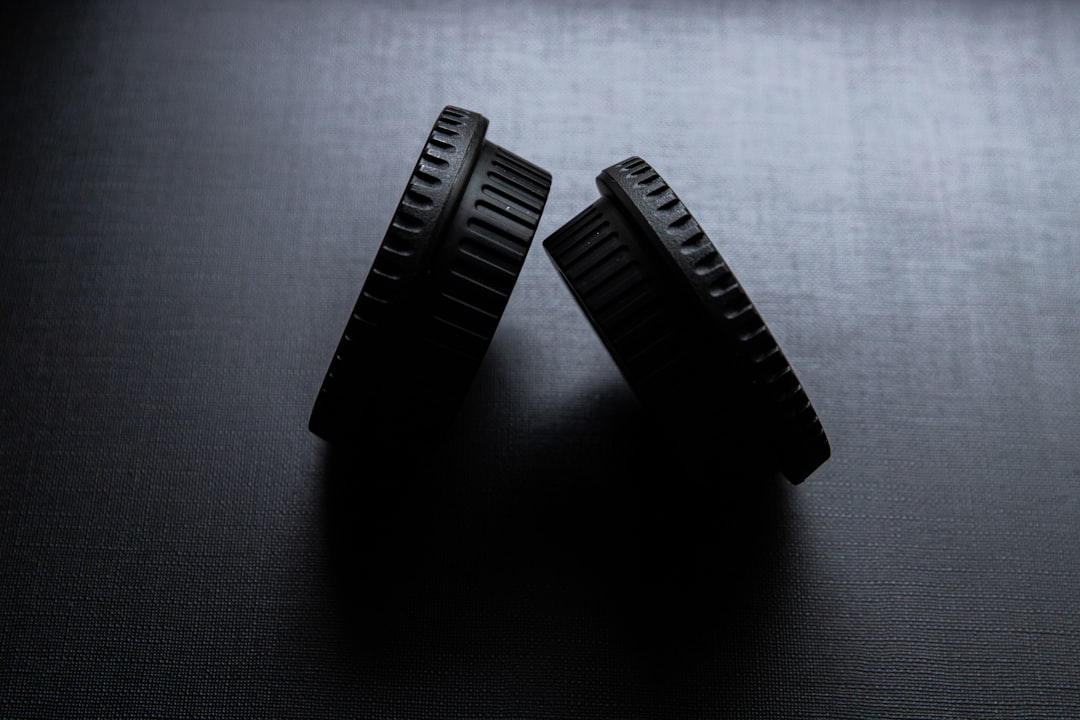
The smallest components often decide whether a finished job feels durable, safe, and properly resolved. That is exactly why plastic end caps deserve more attention than they usually get. Whether you are finishing furniture tubing, protecting exposed metal ends, covering threads, sealing openings during storage, or improving the appearance of fabricated parts, the right cap can prevent damage, reduce wear, and create a cleaner final result. Choosing well means looking beyond shape alone and understanding how the cap will perform once it is in place.
Why plastic end caps matter more than they seem
At first glance, a cap, plug, or insert may appear to be a minor finishing item. In practice, it can play several roles at once. It may protect people from sharp edges, stop dirt or moisture from entering a tube, reduce floor marking on furniture legs, or shield a product during transport and storage. In industrial and commercial settings, it can also help preserve coatings, prevent impact damage, and improve overall presentation.
That combination of protection and finish is what makes selection important. A poorly fitted cap may split, loosen, fall out, or distort under pressure. An unsuitable material may become brittle in cold conditions, soften in heat, or wear too quickly in high-contact environments. Even where appearance is the main concern, getting the proportions wrong can make an otherwise well-made project look unfinished.
For many buyers, the best approach is to think of plastic end caps as functional components rather than afterthoughts. Once you do that, the key questions become clearer: what needs protecting, what kind of fit is required, and what conditions will the cap face over time?
Match the cap type to the job
Not all plastic end caps are designed to work in the same way. The first decision is usually about format. Some styles fit over the outside of a part, while others insert into the inside of a tube or opening. Selecting the right type at the beginning avoids unnecessary trial and error later.
| Type | Typical use | Best when you need |
|---|---|---|
| End caps | Covering exposed tube or bar ends | A neat external finish and surface protection |
| Tube inserts | Fitting inside hollow sections | A secure internal fit and tidy appearance |
| Plugs | Closing holes or threaded openings | Protection from dust, dirt, or handling damage |
| Bungs | Sealing openings, often with a tighter push fit | Simple closure for storage or transit |
| Covers | Shielding edges, ends, or protrusions | Temporary or protective external coverage |
Beyond type, shape is critical. Round, square, and rectangular sections each need corresponding caps or inserts. A round insert should not be treated as an approximate solution for an off-round tube, and square tubing should be matched carefully to the internal or external dimensions it is designed for. Where corners, wall thickness, or manufacturing tolerances vary, a nominal size alone may not tell the full story.
This is also where specialist suppliers become helpful. If you are comparing options for furniture, fabrication, storage protection, or general finishing, a focused range of plastic end caps can make it easier to identify whether you need a push-in insert, an overcap, a plug, or a bung rather than relying on guesswork.
Get the fit right: size, tolerance, and installation
Fit is usually the deciding factor between a cap that performs well and one that quickly becomes a nuisance. For inserts, you need the internal dimensions of the tube, not just the external profile. For end caps that fit over a section, the outer dimensions matter more. That sounds straightforward, but variations in wall thickness, coating, and manufacturing tolerance can affect the final fit significantly.
When measuring, use a reliable caliper where possible rather than estimating with a tape measure. If the cap is intended for metal tubing, check whether powder coating or paint will add thickness. If the part is used outdoors or in changing temperatures, remember that expansion and contraction may influence how tightly a cap sits.
A good selection process usually includes the following checks:
- Measure the correct dimension. Confirm whether the cap fits inside or over the component.
- Check wall thickness. This is especially important for tube inserts with flexible ribs.
- Consider installation force. A very tight fit may be secure but difficult to assemble at scale.
- Think about removal. Some applications need a permanent fit; others require easy access later.
- Review edge condition. Rough or burred openings can affect insertion and long-term hold.
If you are ordering for production rather than a one-off job, it is worth testing samples on the actual component before committing to a larger quantity. Small dimensional differences matter, particularly where consistency and appearance are important.
Choose material and performance for the real environment
Even the correct size can fail if the material does not suit the conditions. Plastic end caps are often chosen for their durability, low maintenance, and clean finish, but performance still depends on how and where they will be used. Indoor furniture feet, warehouse racking, fabricated frames, transport protection, and decorative finishing all place different demands on the part.
Start with the environment. Will the cap be exposed to sunlight, rain, cleaning chemicals, impact, abrasion, or repeated movement? Is it there mainly to finish the appearance of a product, or does it need to protect against regular knocks and contamination? A cap used on a display unit indoors has a different job from one fitted to outdoor steelwork or workshop equipment.
- For visual finish: prioritize clean lines, consistent colour, and a secure fit that does not distort the profile.
- For protection: look for a material and wall design that can absorb light impact and stay in place.
- For sealing during storage or transit: choose a plug or bung that closes the opening reliably and withstands handling.
- For furniture or contact with floors: consider wear resistance and how the cap behaves under repeated movement.
Colour can also matter more than expected. Black is often chosen for its versatility and ability to hide wear, but other colours may suit branded products, safety coding, or visible identification. In design-led projects, the finish should work with the overall product rather than looking like an afterthought added at the end.
A practical checklist before you buy
Once you know the basic type, size, and environment, the final step is to make sure the cap works in the context of the whole project. That means balancing performance, appearance, installation speed, and consistency of supply. This is particularly important for workshops, fabricators, furniture makers, maintenance teams, and trade buyers who need dependable repeat ordering rather than a one-off solution.
Use this short checklist before placing an order:
- Have you confirmed whether you need an insert, cap, plug, bung, or cover?
- Are your measurements based on the correct internal or external dimensions?
- Have you accounted for coatings, tolerances, and wall thickness?
- Will the cap face impact, moisture, outdoor exposure, or regular friction?
- Does the appearance suit the finished product?
- Do you need easy removal, or should the fit stay firmly in place?
- Have you tested the part on the real component if consistency matters?
For buyers who prefer a straightforward specialist source, KTSparts2015 sits naturally within this kind of decision-making process because the focus remains on practical component choice rather than unnecessary complexity. That matters when you need the right part quickly and want confidence that shape, fit, and function have all been considered properly.
Plastic end caps may be modest in size, but they often do essential work. They protect, finish, seal, soften contact points, and help fabricated or assembled products look complete. The right choice comes down to a few disciplined decisions: identify the exact application, select the proper cap type, measure accurately, and match the material to real operating conditions. Do that well, and plastic end caps stop being a minor accessory and become part of what makes the whole project feel considered, durable, and professionally finished.
To learn more, visit us on:
Cart | Ktsparts2015
https://www.ktsparts2015.co.uk/
Elevate your product protection with our premium plastic end caps. As a trusted supplier, we offer precision-crafted solutions for sealing and safeguarding. Explore our durable end caps designed for a perfect fit. Choose quality, choose reliability – partner with us for top-tier plastic end caps that enhance and secure your products effortlessly
